


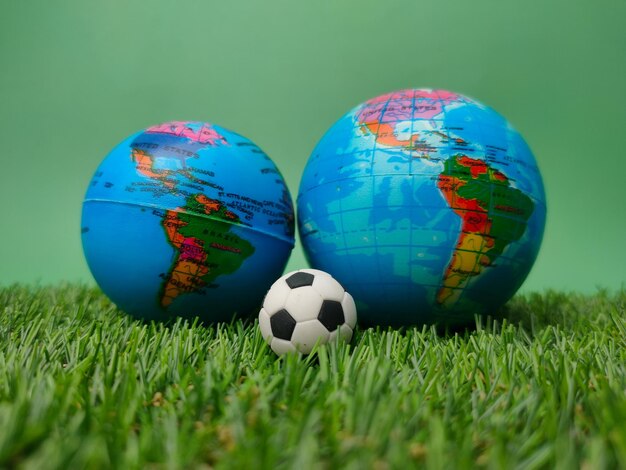
Football, known as soccer in the United States, is more than just a sport; it’s a global phenomenon that transcends borders, cultures, and languages. With its origins tracing back to ancient civilizations, the modern form of football has become the most popular sport in the world, captivating millions with its simplicity and competitive spirit. Let’s explore the various facets that make football the beautiful game.
### A Universal Language
One of the most compelling aspects of football is its universal appeal. No matter where you go, from the bustling streets of Rio de Janeiro to the quiet villages in Africa, you’ll find people playing football. The game’s basic rules are easy to understand, and all you need is a ball and a space to play. This accessibility has allowed football to become a unifying force, bringing together people from diverse backgrounds and fostering a sense of community and belonging.
### The Evolution of the Game
Football’s journey from ancient ball games to the structured sport we know today is a fascinating tale. Early forms of football were played in various cultures, including the Chinese game of Cuju and the Greek game of Episkyros. However, it was in England during the 19th century that football began to take its modern shape. The establishment of the Football Association in 1863 set the foundation for standardized rules and organized competitions.
### Iconic Moments and Legends
Football has produced some of the most unforgettable moments and legendary figures in sports history. From Diego Maradona’s “Hand of God” goal to Zinedine Zidane’s stunning volley in the 2002 UEFA Champions League final, these moments are etched in the memories of fans worldwide. Players like Pelé, Lionel Messi, and Cristiano Ronaldo have become global icons, inspiring generations with their extraordinary skills and dedication to the game.
### The Role of Clubs and National Teams
Football clubs and national teams play a crucial role in the sport’s structure and popularity. Clubs like FC Barcelona, Manchester United, and Real Madrid have loyal fan bases that span the globe, while national teams bring a sense of pride and identity to their respective countries. Tournaments such as the FIFA World Cup and the UEFA Champions League are watched by billions, showcasing the best talent and fostering international camaraderie.
### The Business of Football
Football is not just a sport; it’s a multi-billion-dollar industry. From television rights and sponsorship deals to merchandise sales and ticket revenues, the financial impact of football is immense. Clubs invest heavily in player transfers and infrastructure, while also contributing to the local economies and creating jobs. The business side of football has its challenges, but it also presents opportunities for growth and innovation.
### The Social Impact
Beyond the pitch, football has a profound social impact. It has the power to drive social change, promote healthy lifestyles, and provide opportunities for youth development. Numerous initiatives and foundations use football as a tool to address issues such as poverty, education, and gender inequality. Football’s ability to inspire and mobilize communities makes it a powerful force for good.
### Conclusion
Football’s global reach and cultural significance make it much more than just a game. It is a celebration of skill, passion, and unity that resonates with people from all walks of life. Whether you’re a casual fan or a die-hard supporter, football offers something for everyone. As the beautiful game continues to evolve, its legacy of bringing joy, excitement, and togetherness to millions around the world remains unwavering.